Leaders, contractors and residents in Uganda’s oil-rich Bunyoro sub-region are calling for stronger enforcement of local content policies, arguing that communities hosting major petroleum projects are not receiving the level of employment and business opportunities they were promised.
The concerns were raised during a supplier development workshop in Hoima City, where government officials and industry representatives met with local entrepreneurs to discuss how businesses can better compete for contracts in Uganda’s growing oil and gas sector.
Hoima District Chairperson Uthuman Mugisha said many residents remain on the margins of an industry operating in their communities.
He said that while some local people have secured jobs, many are employed only in low-paying casual positions, a situation he believes falls short of the government’s objective of ensuring host communities benefit from oil development.
Mugisha also said businesses from the Bunyoro sub-region continue to receive relatively small contracts, limiting their ability to grow alongside the country’s petroleum industry. He urged companies operating in the sector to expand their corporate social responsibility programs to support districts directly affected by oil and gas activities.
Hoima District Woman Member of Parliament Beatrice Wembabazi called for greater outreach to local communities, suggesting the recruitment of community workers who can help residents register for available opportunities and better understand the industry’s local content requirements.
She also encouraged residents to actively position themselves to benefit from emerging opportunities instead of waiting for companies to approach them.
Local contractor Leonard Kusemererwa expressed frustration over delayed payments for services provided to the industry. He claimed that his company and several others are collectively owed about $10 million for work completed more than three years ago, although he did not identify the company involved.
Another resident, Richard Mwesigwa, appealed to oil companies to give greater priority to businesses and workers from host communities, saying local participation should remain at the heart of Uganda’s oil development strategy.
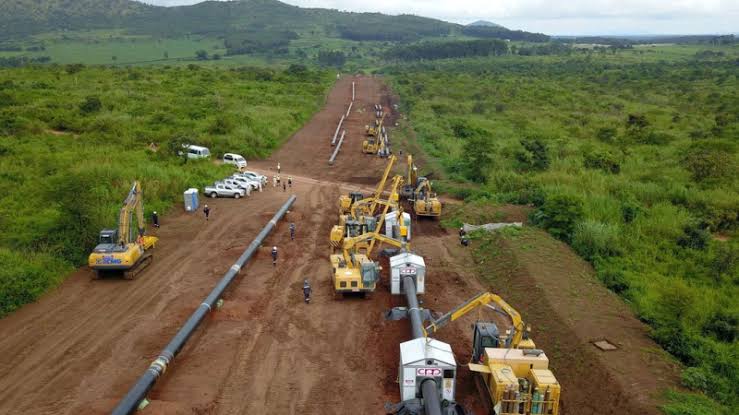
Bunyoro is home to two of Uganda’s flagship upstream petroleum projects. The Kingfisher Development Area is operated by CNOOC Uganda in Kikuube District, while the Tilenga Project is operated by TotalEnergies EP Uganda in neighboring Buliisa District.
Responding to the concerns, Petroleum Authority of Uganda economist Eric Odongo encouraged local entrepreneurs to register on the National Supplier Database, explaining that registration is a mandatory requirement for companies seeking contracts in the petroleum sector.
Odongo also advised contractors to form joint ventures that would allow them to combine resources and meet the technical and financial capacity required for larger projects.
Uganda National Oil Company Head of Exploration and New Ventures Roidah Kiconco said participation by Ugandans in the sector has improved in recent years, particularly among people from the Bunyoro region. She attributed the progress to training initiatives that have equipped local communities with skills needed for employment and business opportunities in the industry.
UNOC National Content Specialist Jessica Kyeyune urged businesses to look beyond upstream oil production and prepare for opportunities expected from related infrastructure projects, including the planned oil refinery and Kabalega International Airport.
She said the refinery is expected to reach a Final Investment Decision by December, after which construction is projected to take about three years, creating additional demand for goods, services and skilled labor.
The workshop highlighted both the opportunities and frustrations surrounding Uganda’s emerging petroleum industry. While government agencies say progress has been made in increasing local participation, community leaders maintain that more needs to be done to ensure the economic benefits of oil development are shared by the people living closest to the country’s largest energy projects.