Thousands of qualified teachers who successfully passed government recruitment interviews have been left without jobs after Uganda’s education sector ran into funding constraints, exposing a widening gap between the country’s growing demand for teachers and the resources available to hire them.
The latest recruitment exercise by the Education Service Commission (ESC) attracted thousands of applicants hoping to serve in 43 newly established government secondary schools. While 5,332 candidates were assessed as qualified after oral interviews, the government had funding to recruit only 1,333 teachers.
The outcome means nearly 4,000 successful applicants will have to wait for future opportunities despite meeting the required standards.
For many aspiring teachers, the result is a difficult reality. After years of training and preparing for government employment, they now face an uncertain wait while schools across the country continue operating with significant staffing shortages.
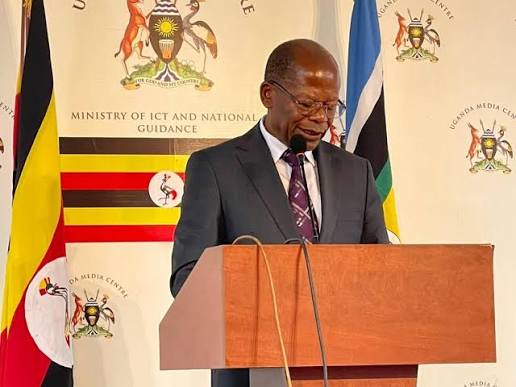
ESC Secretary Dr. Asuman Lukwago said the limited recruitment was driven entirely by the government’s wage budget rather than the quality of applicants.
He said this year’s candidates demonstrated stronger teaching skills and a better understanding of classroom methods than in previous recruitment exercises. According to Lukwago, more teachers could have been appointed if additional funded vacancies had been available.
He encouraged those who were not recruited to continue applying whenever new positions are advertised.
The situation has renewed concerns about the contradiction facing Uganda’s education system. Public schools continue to struggle with teacher shortages, yet thousands of trained professionals remain unemployed because of limited government funding.
Government reports estimate that more than 87,000 teaching positions remain vacant across primary and secondary schools. The staffing gap has increased workloads for teachers already in classrooms, with many handling overcrowded classes.
Education experts warn that the pressure is likely to intensify as Uganda’s population continues to grow. A joint government and World Bank assessment projected that the country will require hundreds of thousands of additional teachers by 2040 to meet rising enrolment while maintaining education quality.
The report also pointed to the need for increased investment in classrooms, learning materials and education financing if Uganda is to keep pace with demand.
Teacher representatives say the latest recruitment exercise demonstrates that the country is not short of qualified educators but rather lacks sufficient resources to employ them.
Aaron Mugaiga, Secretary General of the Uganda Professional Science Teachers’ Union, urged the government to expand recruitment, arguing that many trained teachers remain idle while schools continue to operate below recommended staffing levels.
He also called for increased recruitment of science teachers, saying demand has grown following the introduction of the revised lower secondary curriculum.
The Education Service Commission has meanwhile cautioned successful applicants against paying individuals who claim they can influence appointments.
ESC Chairperson Prof. Samuel Luboga said the recruitment process is free and urged candidates to report anyone requesting money in exchange for appointment letters.
The first group of 377 teachers has already been assigned to 13 government secondary schools in the Buganda and Busoga regions. They will serve a probation period before becoming permanent government employees, subject to satisfactory performance evaluations.
The recruitment forms part of the government’s wider effort to expand access to secondary education through the construction of seed secondary schools under the Uganda Intergovernmental Fiscal Transfers Programme.
While hundreds of new schools have been established in previously underserved communities, education stakeholders say staffing has not kept pace with infrastructure development.
As more classrooms open across the country, the challenge for policymakers will be ensuring that qualified teachers are available to fill them. Without increased investment in the education wage bill, experts warn that expanding school infrastructure alone may not be enough to improve learning outcomes for Uganda’s growing student population.