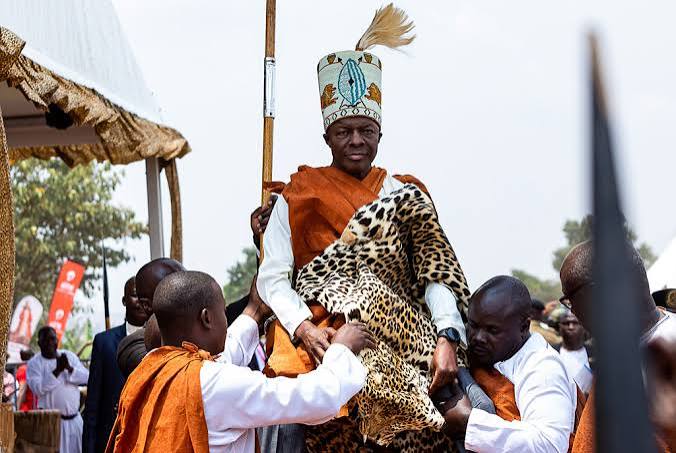
Buganda is marking 33 years since Ronald Muwenda Mutebi II was crowned the 36th Kabaka, a historic event that restored one of Africa’s oldest monarchies after nearly three decades without a reigning king.
The coronation, held on July 31, 1993, at Naggalabi Hill in Buddo, symbolized the return of Buganda’s cultural leadership following the restoration of traditional institutions by President Yoweri Museveni’s government earlier that month.
For many Baganda, the ceremony represented more than the installation of a king. It marked the revival of a cultural institution that had been absent since 1966, when the Buganda Kingdom was abolished during a political crisis.
That year, government forces attacked the royal palace at Mengo, forcing Kabaka Edward Muteesa II into exile in the United Kingdom. He died there in 1969, leaving his son, Prince Ronald Mutebi, as heir to a throne that no longer officially existed.
For almost 30 years, Prince Mutebi waited as Buganda’s supporters preserved the kingdom’s traditions while hoping for the monarchy’s eventual return.
That moment finally arrived in 1993 when thousands of people gathered at the historic coronation grounds in Buddo. Traditional clan elders led the prince through customs that have been passed down for generations before the royal drums, known as Mujaguzo, echoed once again to announce the enthronement of a Kabaka.
The traditional rites were followed by a Christian blessing, reflecting the way Buganda’s monarchy embraces both cultural customs and religious faith.
The coronation drew massive crowds, with people lining the roads leading to Buddo and filling the ceremonial grounds to witness a moment many believed they would never see. The celebrations reflected years of anticipation among subjects eager to see the kingdom’s leadership restored.
Since ascending the throne, Kabaka Mutebi II has focused on strengthening the kingdom’s role in social and community development. Through initiatives led by the Buganda Kingdom, he has promoted education, public health campaigns, youth empowerment and economic development while encouraging the preservation of Buganda’s language, customs and cultural heritage.
Although Uganda’s traditional kingdoms no longer exercise political authority under the Constitution, they continue to play an influential cultural and social role in their communities.
More than three decades after the coronation, the anniversary continues to serve as a reminder of Buganda’s resilience and the enduring importance of cultural institutions in Uganda’s national identity. For many of the king’s subjects, the events of July 31, 1993, remain a defining chapter in the kingdom’s modern history and a symbol of the restoration of a cherished heritage.