With fewer than five years remaining before Uganda’s goal of ending HIV/AIDS as a public health threat by 2030, health officials are calling on universities to strengthen prevention programs amid concerns that young people continue to account for thousands of new infections each year.
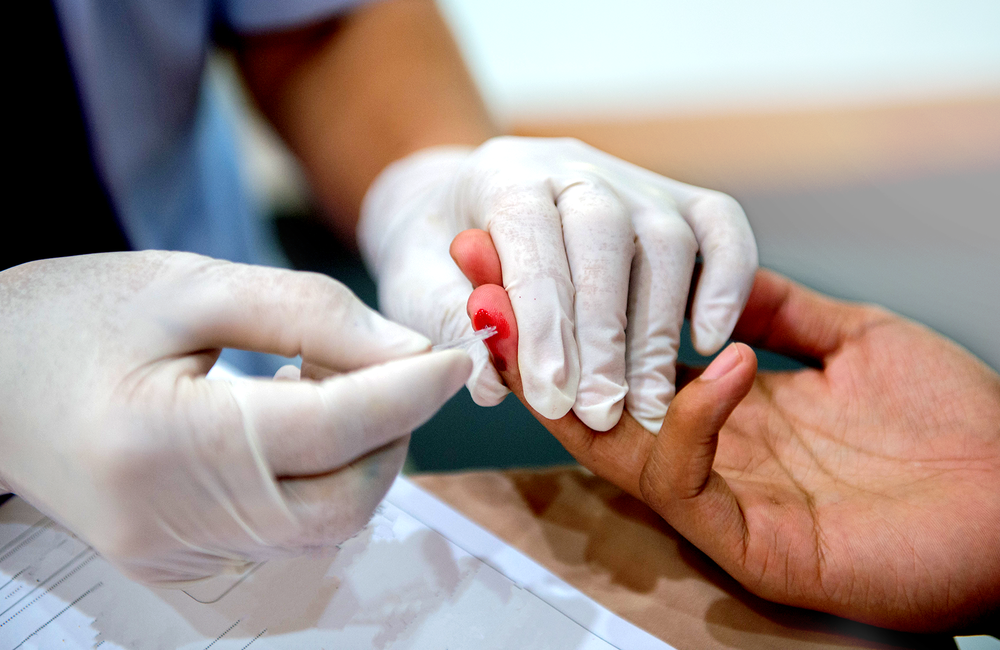
Officials say institutions of higher learning have an important role in reducing HIV transmission by expanding awareness campaigns, improving access to testing services and encouraging safer sexual practices among students.
A major concern is whether universities are complying with the national HIV policy that requires them to allocate 0.1% of their budgets to HIV prevention activities for students, staff and neighboring communities. Health authorities say institutions that fail to provide the funding are falling short of national expectations.
At Kyambogo University, student leaders say they have organized medical outreach activities that offer free HIV testing and distribute condoms as part of ongoing prevention efforts.
Guild President Edward Agaba acknowledged that while such programs are available, some students continue to engage in behaviors that increase their risk of HIV infection.
He urged students to make informed decisions, practice safe sex and know their HIV status through regular testing.
At Makerere University, student leaders say they are working with the university hospital to expand prevention campaigns. Plans are underway to hold a health week that will provide free HIV testing, distribute preventive materials and promote discussions about sexual and reproductive health.
Makerere University Guild Health Minister Ebenezer Wamezaya said peer education will also be a key part of the initiative, allowing students to discuss sensitive health issues with fellow students in a more open environment.
Health organizations are also increasing their engagement with young people. Reproductive Health Uganda says it is using youth-led platforms, including an online radio station, to share information about sexual and reproductive health in ways that resonate with students.
The organization also hosts annual inter-university dialogues where students exchange ideas on HIV prevention and other reproductive health challenges.
The Uganda AIDS Commission says universities should establish strong prevention programs before seeking additional support from government agencies and development partners.
Dr. Daniel Byamukama, who heads HIV prevention at the commission, said the agency is prepared to assist institutions that demonstrate a commitment to implementing the national HIV policy, including setting aside the required budget for prevention activities.
According to a 2024 Uganda AIDS Commission report, more than 5,000 new HIV infections were recorded among people aged 15 to 24, highlighting the continued vulnerability of young people despite years of national progress in combating the disease.
Health experts say achieving Uganda’s 2030 target will depend not only on government interventions but also on individual responsibility. They are encouraging students to get tested regularly, adopt safer sexual practices or abstain from sex, arguing that sustained prevention efforts on university campuses could play a significant role in reducing new infections and saving lives.